If you live in a charming Victorian terrace in Greenwich or a 1970s semi-detached in Bromley, your electrical system was likely designed for a simpler time, one of incandescent bulbs and record players, not high speed electric vehicle (EV) charging.
As more homeowners make the switch to electric, the question isn’t just “which car should I buy?” but “can my house actually handle it?”
At Selkent Electrical, the fuseboard (or consumer unit) is the first thing we inspect during a site survey.
Here is why it matters.
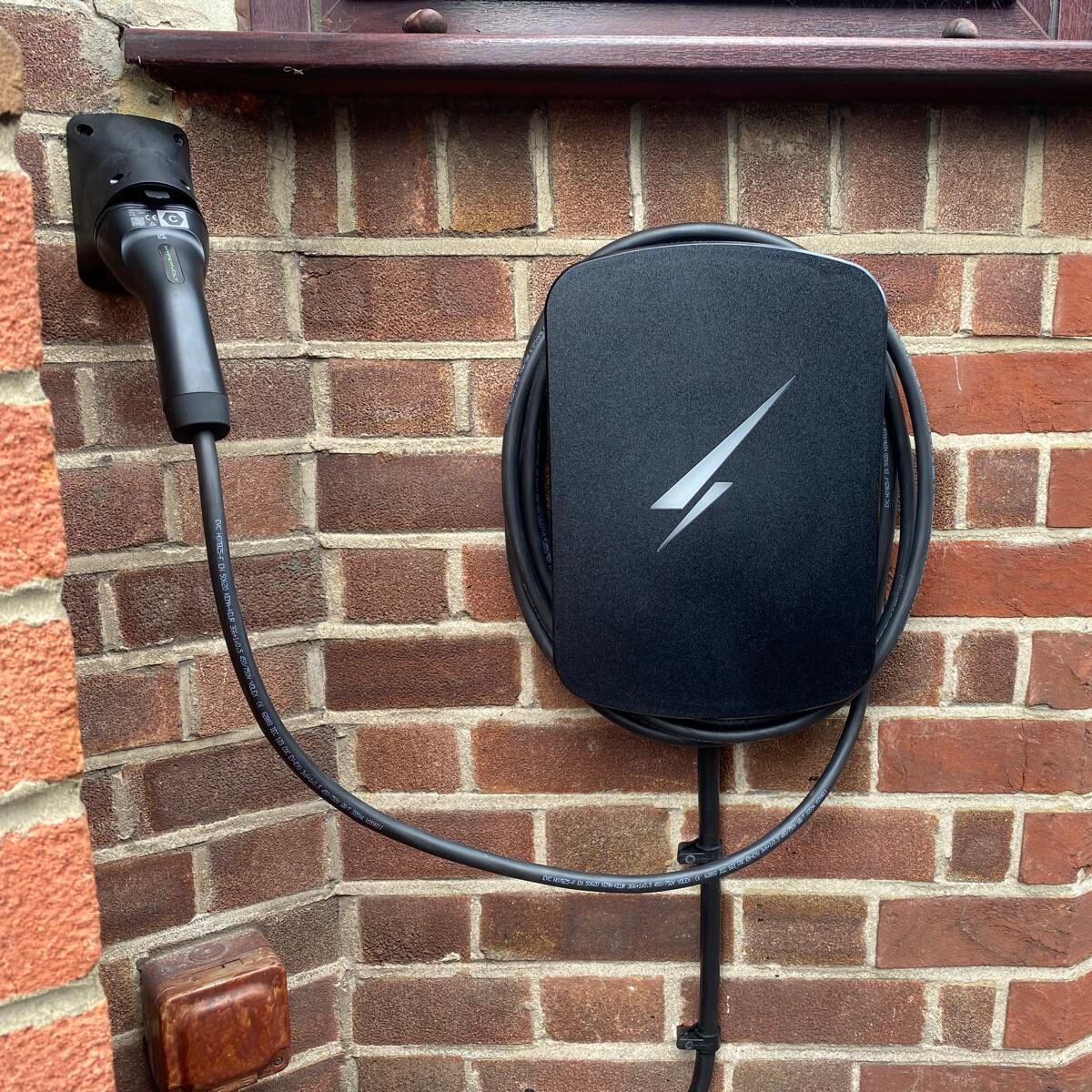
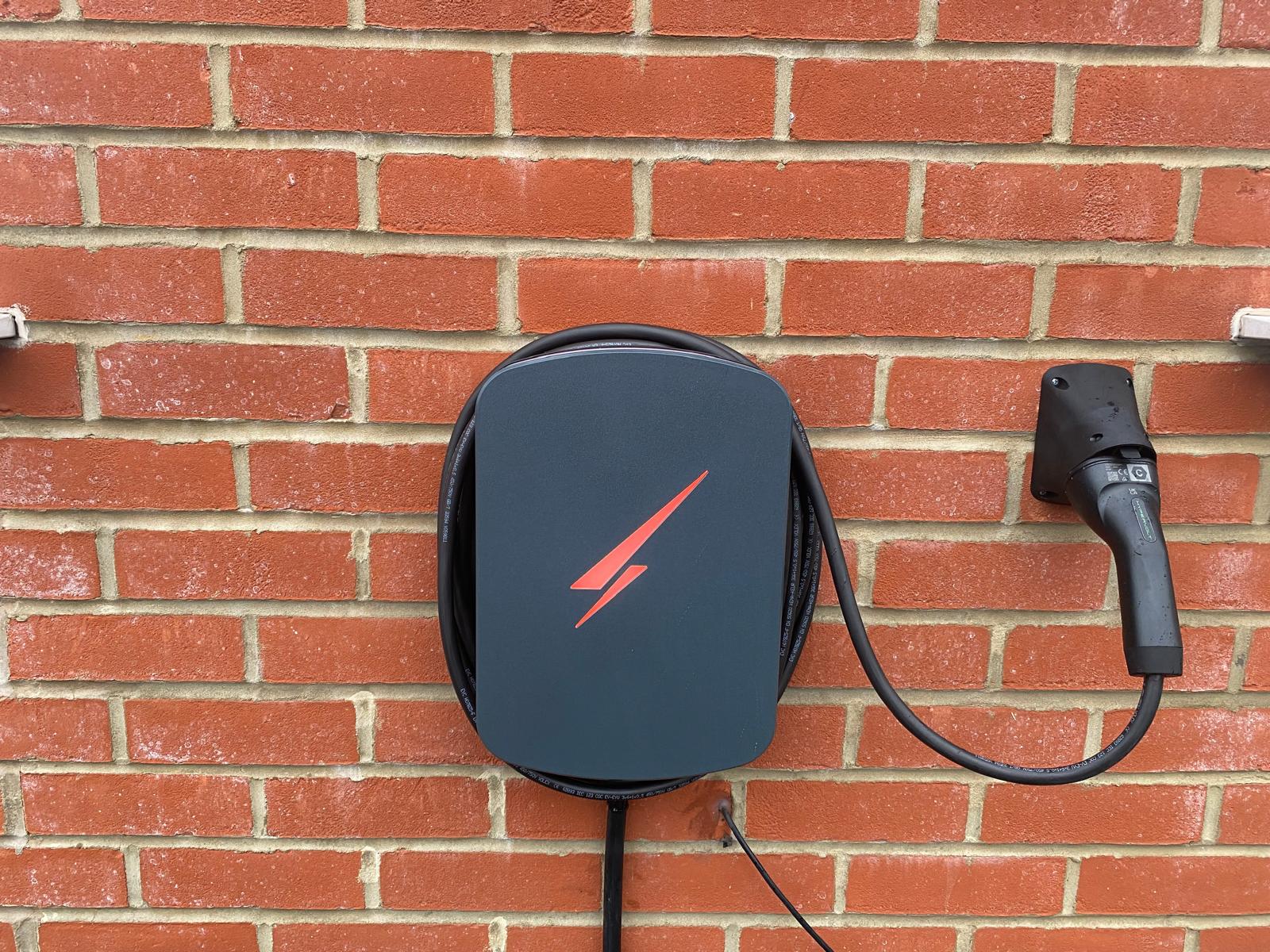
A standard home EV charger (like a Zappi or Hypervolt) typically draws around 7kW of power. To put that in perspective, that is roughly the same as running seven large microwave ovens at the exact same time for several hours.
Most older fuseboards weren’t built for this “sustained high load.”
If your board has any of the following features, it’s likely time for a modern consumer unit:
When we install a charger at an older property, we don’t just “hook it up.” We perform a Load Calculation. We look at your property’s “Main Fuse” (usually 60A, 80A, or 100A) to ensure that if you are charging your car while the oven, shower, and kettle are on, you won’t blow the main supply to your house.
A fuseboard upgrade in 2026 typically ranges between £600 and £800, depending on the size of your home.
While it’s an extra upfront cost, it doesn’t just make EV charging possible, it makes your entire home safer, brings you up to current UK wiring regulations, and adds value to your property.
Don’t guess when it comes to electrical safety. If you’re planning on getting an EV charger installed, let our NICEIC approved team take a look at your current setup.

About The Author
This is a short author bio. You can add information about the author here to help readers learn more about the person behind the content.